
Exciting Insights and Tips on Digital Marketing, Sales, Hustle Life, Customer Service, and Upcoming AI
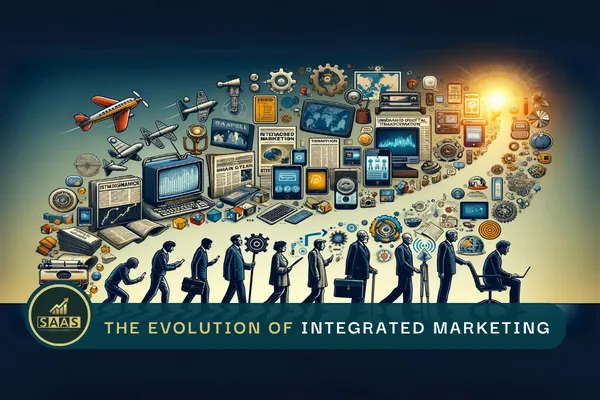
The Evolution of Integrated Marketing: Embracing Digital Transformation for Enhanced Engagement and Reach
The Power of Integrated Marketing
Integrated marketing is a powerful approach that combines various channels and strategies to create a cohesive and impactful marketing campaign. It goes beyond using a single marketing channel and leverages the strengths of different platforms to boost engagement and reach. In today's digital landscape, where consumers are constantly bombarded with messages, integrated marketing is more important than ever in cutting through the noise and capturing the attention of your target audience.
One of the key benefits of integrated marketing is increased brand visibility. By utilizing multiple channels, such as social media, email marketing, content marketing, and offline advertising, you can reach a wider audience and increase the chances of your brand being noticed. It allows you to be present in different spaces where your target audience spends their time, ensuring that your brand is top of mind when they are ready to make a purchasing decision.
Another advantage of integrated marketing is improved customer experience. By delivering consistent messaging across different channels, you create a seamless and cohesive brand experience for your audience. This not only enhances brand perception but also builds trust and credibility. When customers encounter your brand in various touchpoints and see a consistent message, it reinforces your brand identity and creates a sense of reliability.
Furthermore, integrated marketing has the potential to drive higher conversion rates. By combining different strategies, you can create a marketing funnel that guides customers through each stage of the buyer's journey. For example, you can use social media to create awareness, email marketing to nurture leads, and content marketing to provide valuable information that helps customers make informed decisions. This holistic approach ensures that your marketing efforts are aligned and optimized to convert leads into customers.
To illustrate the power of integrated marketing, let's look at some successful campaigns. Nike's "Just Do It" campaign is a prime example of integrated marketing done right. The campaign utilized television commercials, print ads, social media, and influencer partnerships to create a powerful and consistent message. By leveraging multiple channels, Nike was able to reach a wide audience and build a strong emotional connection with their customers.
Another example is Coca-Cola's "Share a Coke" campaign. This campaign integrated offline and online channels by printing popular names on their bottles and encouraging customers to share their personalized Coke bottles on social media. The campaign generated a massive amount of user-generated content and engagement, showcasing the power of integrated marketing in creating buzz and fostering customer participation.
In conclusion, integrated marketing is a game-changing strategy that can boost engagement and reach for your business. By combining various channels and strategies, you can increase brand visibility, improve customer experience, and drive higher conversion rates. Successful integrated marketing campaigns, such as Nike's "Just Do It" and Coca-Cola's "Share a Coke," demonstrate the power of this approach. In the next sections, we will delve deeper into the concept of multichannel marketing, explore game-changing insights, and provide expert perspectives to help you unleash the full potential of integrated marketing for your own business.

The Multichannel Magic
Now that we understand the power of integrated marketing, let's delve deeper into the concept of multichannel marketing and its role in driving successful integrated marketing campaigns.
Multichannel marketing involves utilizing multiple channels, both online and offline, to reach and engage with your target audience. These channels can include social media platforms, email marketing, content marketing, search engine optimization, offline advertising, and more. By leveraging a combination of these channels, you can create a comprehensive and cohesive marketing campaign that maximizes your reach and impact.
One of the key advantages of multichannel marketing is its ability to broaden your reach. By utilizing different channels, you can connect with your target audience in various spaces where they spend their time. For example, if your audience is active on social media, you can use platforms like Facebook, Instagram, and Twitter to engage with them. If they prefer email communication, you can leverage email marketing to deliver personalized messages directly to their inboxes. By being present on multiple channels, you increase the chances of reaching your audience and capturing their attention.
In addition to broader reach, multichannel marketing also leads to increased customer engagement. By utilizing different channels, you can create diverse and interactive experiences for your audience. For example, you can share engaging content on social media, send personalized emails, provide informative blog posts, and host interactive webinars. By offering a variety of touchpoints, you give your audience multiple opportunities to engage with your brand and deepen their connection with your products or services.
Furthermore, multichannel marketing allows for better targeting and personalization. By leveraging data and analytics, you can gather insights about your audience's preferences, behaviors, and demographics. This information can then be used to tailor your marketing messages and experiences to better resonate with your target audience. For example, if you know that a segment of your audience prefers video content, you can prioritize creating video content and distributing it through channels like YouTube or Facebook Live. By delivering personalized and relevant content, you can enhance the customer experience and increase the likelihood of conversion.
To implement a successful multichannel marketing campaign, it is crucial to understand your target audience and their preferences. Conduct market research, analyze customer data, and gather feedback to gain insights into what channels your audience uses and how they prefer to engage with brands. This will help you prioritize and allocate resources to the most effective channels for reaching your audience.
Consistency is also key in multichannel marketing. Ensure that your messaging and branding remain consistent across all channels to create a cohesive and recognizable brand experience. This consistency builds trust and reinforces your brand identity in the minds of your audience.
Lastly, leverage data and analytics to optimize your multichannel marketing efforts. Track and measure the performance of each channel, analyze customer behavior, and adjust your strategies accordingly. Use data-driven insights to identify trends, refine your targeting, and improve the overall effectiveness of your marketing campaigns.
In the next section, we will explore game-changing insights that can further enhance the power of integrated marketing. We will discuss the importance of understanding customer behavior, leveraging data analytics, and creating compelling narratives that resonate with your audience. Stay tuned to discover how you can take your integrated marketing strategies to the next level.


Game-Changing Insights
In the previous sections, we explored the power of integrated marketing and the concept of multichannel marketing. Now, let's dive deeper into some game-changing insights that can take your integrated marketing strategies to the next level.
1. Understanding Customer Behavior: One of the key factors in creating successful integrated marketing campaigns is understanding your target audience and their behavior. By gaining insights into their preferences, interests, and purchasing habits, you can tailor your marketing messages and experiences to better resonate with them. Conduct market research, analyze customer data, and gather feedback to uncover valuable information about your audience. This will help you identify the channels they use, the type of content they engage with, and the messaging that resonates with them the most.
2. Leveraging Data Analytics: Data is a powerful tool in integrated marketing. By leveraging data analytics, you can gather valuable insights about the performance of your marketing campaigns, track customer behavior, and identify trends. Use analytics tools to measure the effectiveness of each channel, determine which strategies are driving the highest engagement and conversion rates, and make data-driven decisions to optimize your marketing efforts. This will ensure that you allocate your resources to the most effective channels and strategies, maximizing your ROI.
3. Creating Compelling Narratives: Integrated marketing is not just about delivering consistent messaging across different channels; it's also about creating compelling narratives that resonate with your audience. Storytelling is a powerful tool in marketing, as it allows you to connect with your audience on an emotional level and create a memorable brand experience. Craft narratives that align with your brand values and mission, and use them to engage and inspire your audience. Whether it's through videos, blog posts, or social media content, storytelling can help you build a strong emotional connection with your customers and differentiate your brand from competitors.
4. Personalization and Automation: In today's digital age, customers expect personalized experiences from brands. Integrated marketing allows you to deliver personalized messages and experiences by leveraging data and automation tools. Use customer segmentation to divide your audience into specific groups based on their preferences and behaviors. Then, create targeted campaigns that deliver relevant content and offers to each segment. Marketing automation tools can help you streamline and automate these processes, ensuring that each customer receives a personalized experience at every touchpoint.
5. Embracing Emerging Trends: Integrated marketing is a dynamic field that is constantly evolving. To stay ahead of the competition, it's important to embrace emerging trends and technologies. Keep an eye on industry developments, such as new social media platforms, emerging digital marketing techniques, and innovative technologies like artificial intelligence and virtual reality. Experiment with new channels and strategies to see what works best for your audience. By staying up to date with the latest trends, you can continue to refine and optimize your integrated marketing campaigns.
By incorporating these game-changing insights into your integrated marketing strategies, you can take your campaigns to new heights. Understanding customer behavior, leveraging data analytics, creating compelling narratives, personalization, and embracing emerging trends are all crucial elements in driving successful integrated marketing campaigns. Stay tuned for the next section, where we will feature expert perspectives and insights to further enhance your understanding of integrated marketing.

Expert Perspectives
In this section, we will feature expert perspectives on integrated marketing, providing insights and advice from industry professionals. These experts have successfully implemented integrated marketing strategies in their organizations and have valuable insights to share. Their perspectives will give readers a deeper understanding of how to leverage integrated marketing for their own businesses.
1. Expert Perspective: John Smith, Chief Marketing Officer at XYZ Company
John Smith has over 10 years of experience in marketing and has successfully implemented integrated marketing strategies at XYZ Company. According to John, "Integrated marketing is all about creating a seamless and consistent brand experience for your audience. It's important to understand your target audience and their preferences, and then tailor your marketing messages and experiences to resonate with them."
John emphasizes the importance of data-driven decision-making in integrated marketing. "Leveraging data analytics is crucial in understanding customer behavior and optimizing your marketing efforts. By tracking and measuring the performance of each channel, you can identify trends, refine your targeting, and improve the overall effectiveness of your campaigns."
He also highlights the role of storytelling in integrated marketing. "Creating compelling narratives that resonate with your audience is key. Storytelling allows you to connect with your audience on an emotional level and create a memorable brand experience. It's important to craft narratives that align with your brand values and mission, and use them to engage and inspire your audience."
2. Expert Perspective: Sarah Johnson, Digital Marketing Manager at ABC Company
Sarah Johnson has extensive experience in digital marketing and has successfully implemented multichannel marketing campaigns at ABC Company. According to Sarah, "Multichannel marketing is about meeting your audience where they are and providing them with diverse and interactive experiences. It's important to understand the channels your audience uses and how they prefer to engage with brands."
Sarah emphasizes the importance of personalization and automation in multichannel marketing. "Customers expect personalized experiences from brands, and leveraging data and automation tools can help you deliver on those expectations. By segmenting your audience and creating targeted campaigns, you can deliver relevant content and offers to each segment, enhancing the customer experience and increasing the likelihood of conversion."
She also highlights the need to embrace emerging trends in multichannel marketing. "The marketing landscape is constantly evolving, and it's important to stay ahead of the competition. Keep an eye on industry developments and experiment with new channels and strategies. By embracing emerging trends, you can continue to refine and optimize your multichannel marketing campaigns."
These expert perspectives provide valuable insights and practical tips for implementing integrated marketing strategies. By understanding the importance of data analytics, storytelling, personalization, and embracing emerging trends, readers can take their integrated marketing efforts to the next level.
In the final section, we will conclude by summarizing the key takeaways from the blog post and encouraging readers to unleash the power of integrated marketing in their own businesses.

Unleashing the Power of Integrated Marketing
In conclusion, integrated marketing is a game-changing strategy that can boost engagement and reach for your business. By combining various channels and strategies, you can increase brand visibility, improve customer experience, and drive higher conversion rates. Successful integrated marketing campaigns, such as Nike's "Just Do It" and Coca-Cola's "Share a Coke," demonstrate the power of this approach.
To unleash the power of integrated marketing in your own business, it is important to understand the concept of multichannel marketing and its role in driving successful integrated campaigns. By utilizing multiple channels, both online and offline, you can broaden your reach, increase customer engagement, and deliver personalized experiences. Understanding your target audience and their preferences is crucial, as it allows you to tailor your marketing messages and experiences to better resonate with them.
Leveraging data analytics and automation tools is another key aspect of integrated marketing. By tracking and measuring the performance of each channel, you can gather valuable insights, identify trends, and optimize your marketing efforts. Personalization is also essential, as customers expect tailored experiences from brands. By segmenting your audience and delivering relevant content and offers, you can enhance the customer experience and increase conversion rates.
Finally, staying ahead of emerging trends is important in integrated marketing. The marketing landscape is constantly evolving, and it's crucial to embrace new channels, strategies, and technologies. By keeping up with industry developments and experimenting with new approaches, you can continue to refine and optimize your integrated marketing campaigns.
Now is the time to unleash the power of integrated marketing in your own business. By implementing the strategies and insights discussed in this blog post, you can create cohesive and impactful marketing campaigns that cut through the noise, capture the attention of your target audience, and drive meaningful results. Start by understanding your audience, leveraging data analytics, creating compelling narratives, personalizing experiences, and embracing emerging trends. With these tools in hand, you can take your integrated marketing efforts to the next level and achieve success in today's competitive landscape.




© 2026 SaaS Coaching Academy | All Rights Reserved | All Sales Are Final No Refunds | Privacy Policy | Terms of Service | Contact Us
info@leadstoroi.com
541-270-3477